How to Keep Balloons from Popping Outside
Professional tips for preventing outdoor balloon popping — heat management, shade strategies, latex quality, inflation techniques, and LA-specific advice for keeping installations intact.
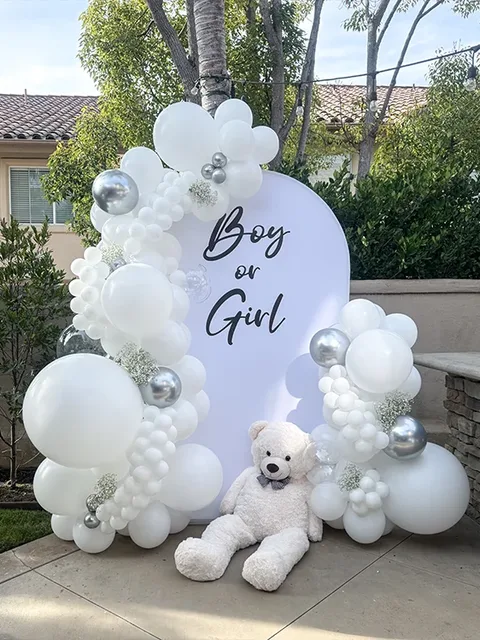
Outdoor balloon installations in Los Angeles face a specific set of challenges — heat, sun, wind, and surface contact can all cause popping. After hundreds of outdoor installations across LA, from Malibu beach celebrations to Pasadena backyard parties, I've developed a reliable set of techniques that keep balloons intact through the entire event. Here's what actually works.
Why Balloons Pop Outside: The Science
Understanding why balloons pop is the first step to preventing it. Three things happen when a balloon is exposed to outdoor conditions:
- Thermal expansion: Heat causes the air inside the balloon to expand. If the balloon is already near its maximum stretch, the added pressure causes it to burst
- UV degradation: Sunlight breaks down the molecular structure of latex, making it thinner, less elastic, and more brittle — even before you can see visible changes
- Surface friction: Wind pushes balloons against rough surfaces — stucco walls, tree bark, metal edges — and even minor contact with a sharp point will puncture stretched latex
Heat Management: The Most Important Factor
Shade Is Everything
The single most effective way to keep balloons from popping outside is shade. A garland or arch under a patio cover, tent, or pergola will outlast an identical installation in direct sun by a factor of three or more. When I design outdoor installations, my first question is always about shade availability at the venue.
Timing Installation Close to Event Start
Every hour a balloon sits in outdoor heat reduces its lifespan. For outdoor events, my team installs 2-3 hours before guests arrive — sometimes less. A garland that goes up at 4 PM for a 5 PM event will look flawless through an evening celebration. The same garland installed at 10 AM would show significant stress by the afternoon.
Balloon Color Affects Heat Absorption
This is a detail many people overlook: dark-colored balloons absorb more heat than light ones. A black balloon in direct sun will reach a surface temperature 20-30 degrees higher than a white balloon next to it. For outdoor events, I recommend palettes built around lighter tones — whites, pastels, soft metallics. Chrome finishes also reflect light rather than absorbing it.
| Color Category | Heat Absorption | Outdoor Performance |
|---|---|---|
| White, ivory, light pastels | Low | Best |
| Medium pastels, chrome finishes | Low to moderate | Good |
| Bright saturated colors (red, orange) | Moderate to high | Fair |
| Dark colors (black, navy, burgundy) | High | Poorest in direct sun |
If a client's vision requires dark colors for an outdoor event, I'll use them — but I plan for more shade and later installation timing. For guidance on building the right palette, see my indoor vs outdoor balloon decor guide.
Inflation Technique: The Professional Edge
Slightly Underinflate for Heat
When I know an installation will face heat, I inflate balloons to about 85-90% of their maximum recommended size. This gives the air inside room to expand as temperatures rise without pushing the latex to its limit. It's a subtle difference visually — the garland still looks full and organic — but it makes a significant difference in pop resistance.
Consistent Sizing Prevents Weak Spots
Overinflated balloons in a garland are the ones that pop first. If even a few balloons are stretched beyond their ideal size, those become the weak links. I use sizing templates for every installation to ensure consistency. This is one area where professional technique makes a measurable difference over DIY.
Latex Quality Matters More Than Anything You Can Control
The single biggest variable in whether balloons pop outdoors is the quality of the latex itself. Professional-grade balloons from brands like Qualatex and TUFTEX are manufactured with thicker walls, more consistent elasticity, and superior plasticizers that resist heat and UV far better than generic balloons.
I've tested this directly: a garland made with professional latex outdoors in 85-degree shade lasted over 18 hours. An identical garland with standard party-store balloons in the same conditions had visible popping and deflation within 6 hours. The material is the foundation. For a full breakdown of material differences, read balloon types explained.
Wind Protection
Wind doesn't pop balloons directly (unless it pushes them into sharp objects), but it creates two problems: structural stress on the installation and increased surface contact with the surrounding environment.
- Secure mounting: My team uses weighted bases, zip ties, command strips, and fishing line to keep installations anchored. Freestanding pieces get sandbag-weighted bases rated for wind
- Placement: I position installations against walls or in corners where wind is blocked rather than in open areas where gusts hit directly
- Buffer space: Keeping balloons at least 6 inches from rough surfaces (stucco, brick, tree branches) ensures wind sway doesn't cause contact pops
Surface Contact: The Hidden Pop Cause
More outdoor balloon pops are caused by surface contact than most people realize. Common culprits:
- Stucco walls (the rough texture is abrasive enough to puncture stretched latex)
- Tree branches and thorny bushes
- Metal fence points, exposed screws, or nail heads
- String lights with exposed wire ends
- Rough-sawn wood beams on pergolas
Before installing any outdoor piece, my team does a surface check of the mounting area and surrounding environment. If a rough surface is unavoidable, I use fabric or foam barriers between the balloons and the surface.
LA-Specific Advice: Seasonal Considerations
Los Angeles has relatively mild weather compared to other parts of the country, but our summers are genuinely challenging for outdoor balloons. June through September daytime temperatures regularly exceed 90 degrees in the Valley, Pasadena, and inland areas. Even coastal areas like Santa Monica and Malibu deal with direct sun intensity.
My recommendations for LA outdoor events by season:
- October through April: Outdoor installations perform well with standard precautions. Mild temperatures and lower sun intensity mean garlands last comfortably through a full daytime event
- May and June: Shade is important but not critical. Same-day installation is sufficient
- July through September: Shade is essential. Latest possible installation time. Light color palette recommended. My team may suggest moving key pieces to shaded or partially indoor areas for best results
For a broader comparison of indoor and outdoor installation considerations, see my balloon decoration lifespan guide.
Planning an outdoor event in Los Angeles? Share your venue and date, and I'll recommend the best installation approach, color palette, and timing to keep everything looking perfect. See my pricing page for investment ranges or browse my project gallery for outdoor installation examples. My team has handled outdoor installations across LA in every season.
Keep Reading
Frequently Asked Questions
Why do balloons pop outside in the heat?
What temperature causes balloons to pop?
Do professional balloons pop less than regular ones?
How do you protect outdoor balloon decorations from popping?
What balloon colors are best for outdoor events?
Written by
Alina
I design and install custom balloon installations for events across Los Angeles. Every project is personal.
Check Availability →