Latex vs Foil Balloons — When I Use Each Type
A professional decorator's guide to latex vs foil balloons. When each material works best, how they perform in installations, and which creates the look you want.
One of the most common questions I get from clients is whether they should use latex or foil balloons for their event. The answer depends entirely on the installation type, the look you want, and practical considerations like venue and timeline. Here's how I approach the latex vs foil decision for every project.
Latex Balloons: The Foundation of Every Installation
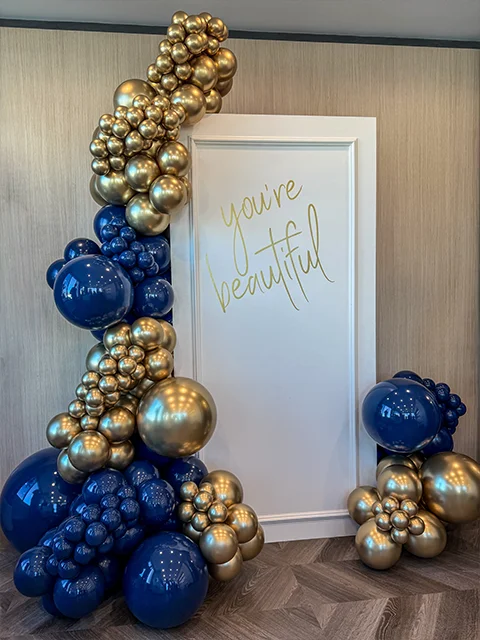
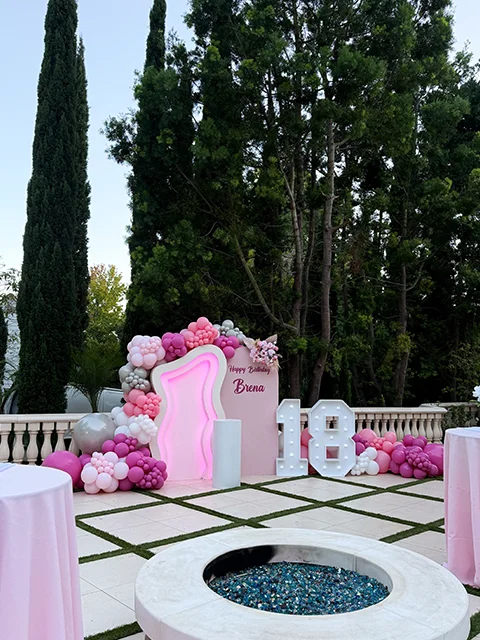
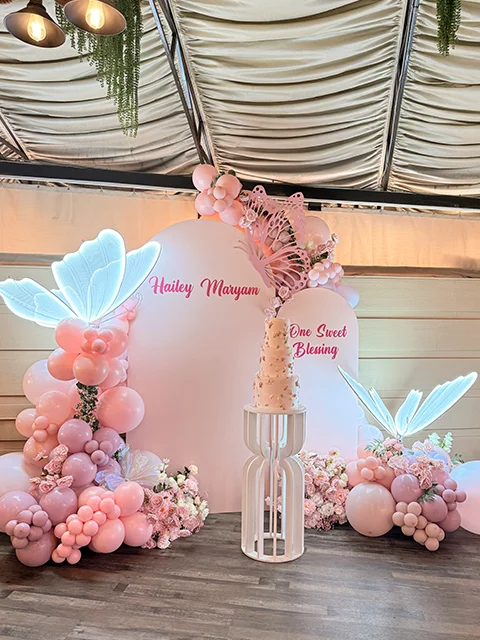
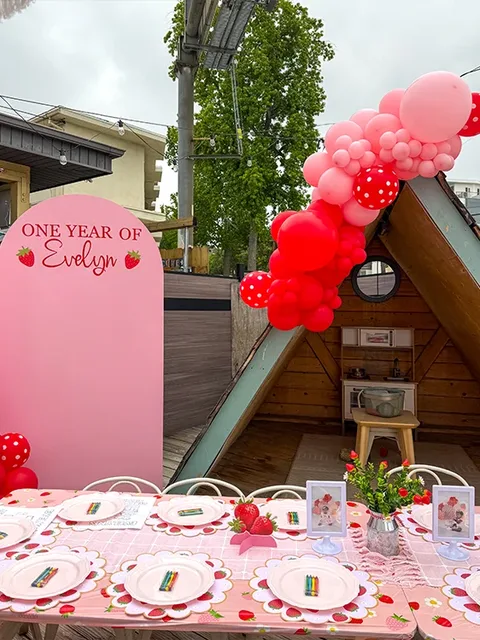
Latex balloons are made from natural rubber and are the backbone of professional balloon decor. When you see a stunning balloon garland, a sweeping arch, or a dramatic backdrop, you're looking at latex. These balloons come in hundreds of colors, multiple finishes (matte, chrome, pearl, pastel), and sizes ranging from tiny 5-inch fillers to dramatic 36-inch statement pieces.
I use latex balloons for the majority of my work because they offer unmatched versatility. They can be clustered into organic shapes, layered for dimension, and mixed across sizes to create that lush, textured look that defines modern balloon design. Professional-grade latex from manufacturers like Qualatex and TUFTEX is thicker and more consistent than what you'll find at a party store — the quality difference shows in how long the installation holds its shape.
Where Latex Excels
- Organic garlands and arches — the mixed-size, flowing aesthetic is only possible with latex
- Color matching — with hundreds of shades available, I can match any event palette precisely
- Backdrops and walls — large-scale installations that need volume and coverage
- Custom finishes — double-stuffing, ombre effects, and mixed finish palettes
Latex Limitations
Latex balloons oxidize over time — that cloudy, matte film you see on older balloons. They're also sensitive to heat, direct sunlight, and sharp surfaces. Helium-filled latex loses float within 8-16 hours without treatment. These aren't deal-breakers, but they shape how and when I use them. For more on durability, see my guide on how long balloon decorations last.
Foil Balloons: Precision and Longevity
Foil balloons — also called mylar balloons — are made from metallic polyester film. Unlike latex, they come in specific pre-made shapes: numbers, letters, stars, hearts, circles, and licensed characters. They hold helium far longer than latex (1-3 weeks vs hours) and maintain a crisp, defined shape.
I use foil balloons as accent and statement pieces. A set of large foil numbers is the centerpiece of many milestone birthday displays. Letter balloons spelling a name or phrase add personalization that latex alone can't achieve. Shaped foils — stars, crescents, palm trees — bring themed elements into an installation without looking cartoonish.
Where Foil Excels
- Number and letter displays — milestone birthdays, ages, names, initials
- Helium arrangements — when you need balloons floating for hours or days
- Themed shapes — stars, moons, animals, and seasonal shapes
- Outdoor events — more resistant to heat and wind than latex
Foil Limitations
Foil balloons can't be clustered into organic shapes the way latex can. The color range is limited compared to latex — you're working with metallic gold, silver, rose gold, and a smaller set of printed options. They also crease easily and can't be re-inflated to look new once deflated.
How I Combine Latex and Foil
The best installations often use both materials strategically. Here's what that looks like in practice:
| Installation Type | Latex Role | Foil Role |
|---|---|---|
| Birthday garland | Full organic garland in event colors | Age numbers woven into the garland |
| Baby shower arch | Flowing arch in pastel palette | "BABY" letters or star accents |
| Wedding backdrop | Lush wall of matte and pearl balloons | Metallic orbs and stars for sparkle |
| Corporate event | Brand-color garland framing the stage | Logo shapes, letter displays |
The key is using each material for what it does best. Latex provides the volume, texture, and color — foil provides the specificity and longevity. For a deeper look at all the balloon varieties available, check out my complete balloon types guide.
Environmental Considerations
This matters to many of my clients, and I appreciate when it comes up. Latex is made from natural rubber and is biodegradable, though it takes months to break down fully. Foil is not biodegradable. In my installations, this is less of a concern because nothing is ever released into the environment — my team installs everything securely, and my team does a complete take down after every event. For more on this topic, read my guide on choosing balloon colors, which covers material selection as part of the color planning process.
Quick Comparison
| Factor | Latex | Foil |
|---|---|---|
| Material | Natural rubber (biodegradable) | Metallic polyester (not biodegradable) |
| Color range | Hundreds of colors and finishes | Limited — mostly metallics and prints |
| Shapes | Round (inflated to any organic form) | Pre-made shapes, numbers, letters |
| Helium life | 8-16 hours | 1-3 weeks |
| Air-filled life | 2-5 days indoors | Weeks to months |
| Best for | Garlands, arches, backdrops | Numbers, letters, accent shapes |
| Cost per balloon | Lower | Higher |
Whether your event calls for a full organic garland, a helium-filled number display, or a combination of both, the right material choice makes a real difference in how your decor looks and lasts. If you're planning an event and want guidance on what works best for your space and vision, I'd love to help you figure it out.
Keep Reading
Frequently Asked Questions
Are latex or foil balloons better for outdoor events?
Do latex balloons last as long as foil balloons?
Can you mix latex and foil balloons in the same installation?
Which is more eco-friendly, latex or foil?
Are foil balloons more expensive than latex?
Written by
Alina
I design and install custom balloon installations for events across Los Angeles. Every project is personal.
Check Availability →