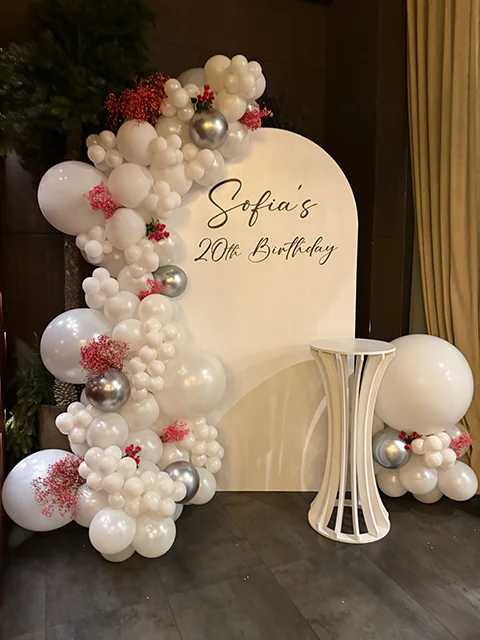
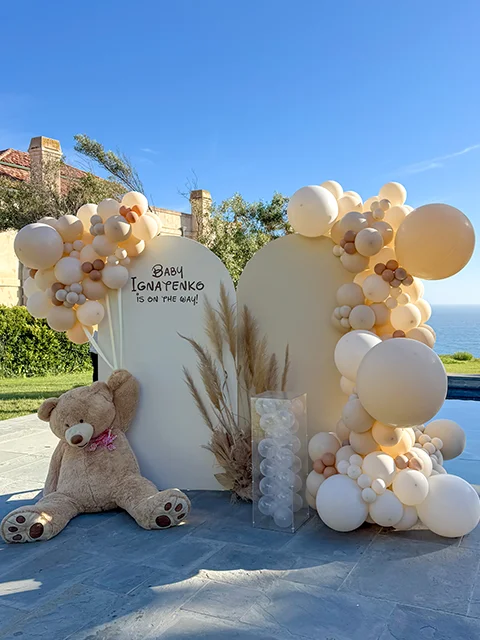
Indoor vs Outdoor Balloon Decor — What You Need to Know
Key differences between indoor and outdoor balloon installations — materials, durability, weather planning, anchoring, and LA-specific advice for your event.
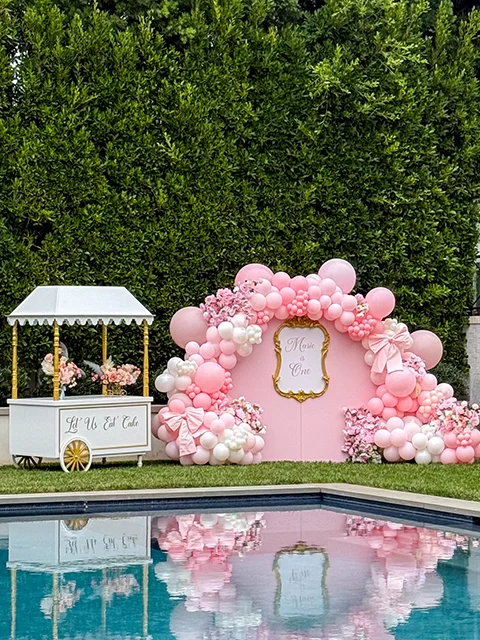
Los Angeles is an outdoor event city — backyards, rooftops, gardens, and patios host celebrations year-round. But indoor and outdoor balloon installations are not the same thing. The materials, techniques, timing, and planning differ significantly. Here's what you need to know before deciding where your balloon decor goes.
Material Differences
Indoor and outdoor installations use different materials for good reason:
| Factor | Indoor | Outdoor |
|---|---|---|
| Latex thickness | Standard professional-grade | Thicker, UV-resistant latex |
| Inflation level | Standard | Slightly under-inflated (heat causes expansion) |
| Chrome / metallic balloons | Full use | Limited — more heat-sensitive |
| Anchoring | Command strips, fishing line, frames | Weighted bases, sandbags, ground stakes |
| Treatment | Standard | UV-protective and heat-resistant coatings |
For outdoor installations, I adjust every variable — from inflation levels to material selection — based on the specific conditions of your venue. Chrome and metallic finishes, which look incredible indoors, absorb more heat and are used more selectively in direct sun. Matte and pearl finishes are more durable outdoors.
Durability and Lifespan
Indoor Installations
In a climate-controlled venue, professional balloon installations last 12–24 hours easily. Temperature and humidity are stable, there's no UV exposure, and no wind stress. I've had installations still looking perfect 18 hours after setup in indoor venues. This gives plenty of flexibility for events that run long or start early.
Outdoor Installations
Outdoors in Los Angeles, the realistic window is 6–10 hours under normal conditions. On cooler days (below 80 degrees) with shade, installations can last 10–12 hours. On hot days (above 90 degrees) in direct sun, 4–6 hours is more realistic. This doesn't mean the balloons suddenly pop — they gradually lose their firmness and luster over time.
Sun Exposure: The Biggest Factor
Direct LA sun is the number one challenge for outdoor balloon decor. UV rays cause latex to oxidize, which makes balloons appear cloudy or matte over time. Dark colors absorb more heat and degrade faster than light colors. Here's how I manage it:
- Shade placement: Whenever possible, I position installations under awnings, trees, tents, or building overhangs.
- Color selection: For full-sun setups, lighter palettes (whites, pastels, champagne) perform better than dark tones.
- Setup timing: Outdoor installations are set up as close to event start as possible — usually 1–2 hours before guests arrive.
- Material choices: Thicker latex and UV-treated balloons for all sun-exposed elements.
Wind and Anchoring
LA doesn't get extreme winds often, but breezes are common — especially in Santa Monica, Pacific Palisades, Malibu, and hilltop venues. Wind affects balloon installations in two ways: it creates movement that stresses attachment points, and it can push freestanding pieces.
For outdoor arches, I use weighted bases (25–50 lbs per side) and reinforced frames. For outdoor garlands, multiple secure attachment points replace the lighter adhesive methods used indoors. Every outdoor installation is engineered for the specific venue's wind exposure.
Best Outdoor Installations
Some installation types work better outside than others:
- Freestanding arches: Excellent outdoors. Weighted bases and sturdy frames handle wind well. Perfect for garden ceremonies, pool party entrances, and patio photo areas.
- Low garlands on fences or railings: Protected by their attachment to solid structures. Great for backyard parties.
- Ground-level arrangements: Balloon clusters, columns, and low installations are less affected by wind and sun than elevated pieces.
Installations That Work Better Indoors
- Ceiling installations: Suspended garlands and floating elements need stable conditions.
- Chrome-heavy designs: Metallic finishes look their best in controlled environments.
- Delicate cascading arrangements: Pieces with flowing elements or lightweight accents are wind-sensitive.
- Full wall backdrops: Large backdrop installations need a solid wall for attachment.
LA-Specific Advice
After years of installing across Los Angeles, here's what I've learned about specific conditions:
- Valley heat (Encino, Sherman Oaks, Studio City): Summer temperatures regularly exceed 95 degrees. For outdoor events here, I recommend shaded setups only or moving the installation to a covered patio.
- Coastal breeze (Santa Monica, Malibu, Pacific Palisades): Steady afternoon winds require extra anchoring. Morning events before the breeze picks up tend to work better.
- Beverly Hills / West Hollywood: Many venues have beautiful outdoor-indoor hybrid spaces (covered patios, open-air courtyards) that combine the best of both worlds.
- Downtown LA rooftops: Wind exposure is significant. Lower-profile installations with heavy anchoring are essential.
Planning Your Installation
During the design consultation, I always ask whether the installation will be indoor, outdoor, or both. For outdoor events, I'll ask about shade availability, typical wind patterns, and the event timeline. This allows me to select the right materials, plan the setup schedule, and set realistic expectations about longevity.
The best outdoor balloon events happen when the installation is planned around the conditions — not despite them. Whether you're hosting a garden wedding in Pasadena or a rooftop birthday in DTLA, there's always a way to make balloon decor work beautifully. Full event styling for outdoor venues includes all the weather-specific planning built into the design process.
Frequently Asked Questions
How long do outdoor balloon decorations last in Los Angeles?
Can balloon decor withstand wind outdoors?
Do you use different balloons for outdoor events?
Is outdoor balloon decor more expensive than indoor?
Written by
Alina
I design and install custom balloon installations for events across Los Angeles. Every project is personal.
Check Availability →